
By Roland Parker, Founder, Impress Computers
From the IT Conference — Dallas, Texas
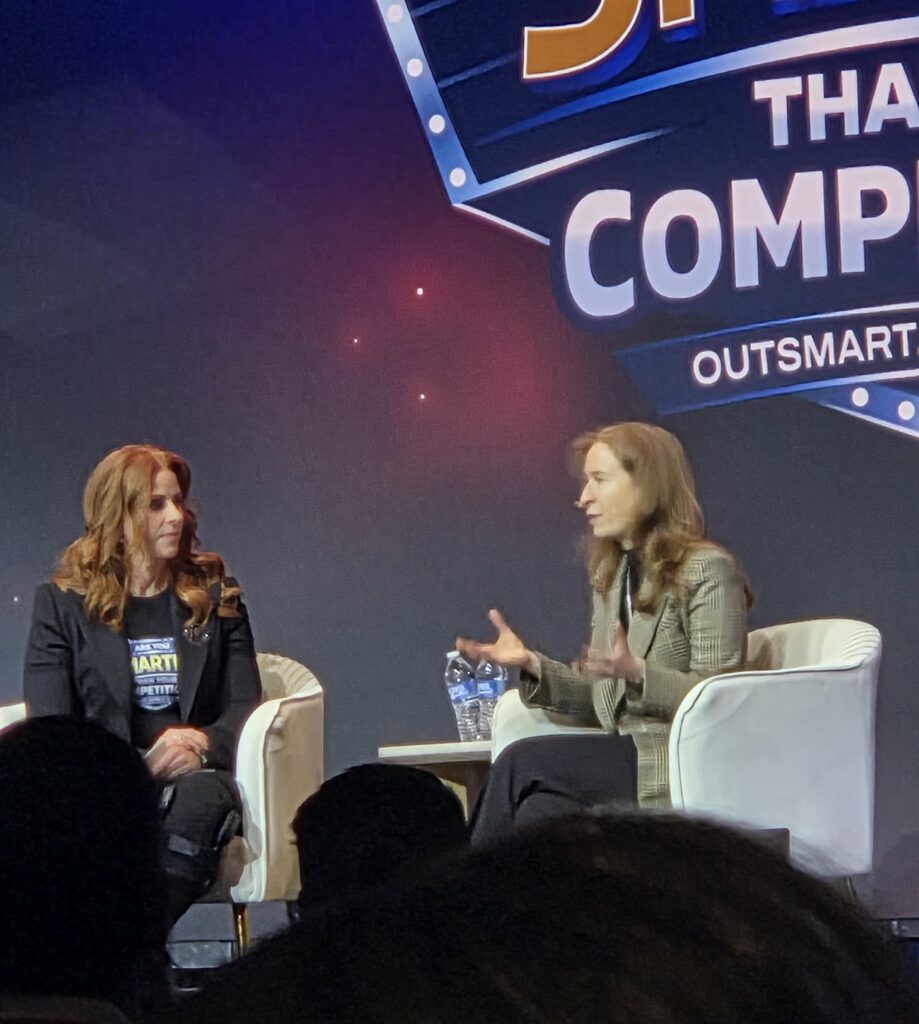
Caption: Sharing practical AI and process strategies for MSP efficiency and performance
.
At the same IT Conference in Dallas where I had the opportunity to speak to more than 1,200 IT providers, I also had a valuable conversation with Rania Succar, Kaseya’s new CEO.
I asked her a question that many MSPs—including us at Impress Computers—are thinking about right now:
How is Kaseya planning to use AI inside the Autotask platform to improve performance for MSPs?
(Think: Copilot-style assistance, faster search, smarter workflow automation, and even branding support.)
Rania’s direction is encouraging—and it aligns with what the MSP market needs most: more automation, less friction, and better margins without adding headcount.
Why this matters: MSPs don’t need more tools—they need more throughput
Most MSPs are feeling the same pressure:
- More tickets
- Higher client expectations
- More security risk
- Not enough time
- Margin compression
AI—implemented correctly—can reduce the repetitive work that consumes technician time and slows service delivery. And that’s exactly where Kaseya appears to be placing its bets.
Rania Succar joined Kaseya in June 2025 after nine years at Intuit, and has publicly emphasized a practical north star: build features that connect to MSP revenue growth or margin expansion, not just “AI for AI’s sake.”
The AI direction: “digital workers” and agentic automation
One of the most important themes discussed across the industry is the move toward agentic AI—AI that doesn’t just answer questions, but can take action in a controlled way.
Rania has highlighted the idea of introducing “digital workers” and agentic automation to help MSPs fight margin compression. In plain English, that means using AI to reduce the labor required for tasks like:
- Billing and invoice workflows
- New client onboarding steps
- Ticket updates and status communications
- Routine service desk processes
- Cross-platform workflow and reporting
If this is executed well, it’s a big deal—because it targets the work MSPs must do every day, not “future” use cases.
What MSPs should want in Autotask AI (the practical wish list)
When MSPs talk about “AI in Autotask,” we’re not asking for flashy demos. We’re asking for real improvements in speed, accuracy, and consistency.
Here’s what I believe MSPs should be pushing for as Autotask evolves:
1) Copilot-style assistance for technicians and service managers
- Draft ticket responses in your company tone
- Suggest likely next steps based on similar tickets
- Summarize long ticket histories instantly
- Create clear internal notes and client-facing updates
2) Search that actually saves time
“Search” is one of the most underrated MSP productivity drains. The goal should be to quickly find what matters across:
- Tickets and ticket history
- Documentation / KB articles
- Assets and configurations
- Contracts, SLAs, and workflows
AI-powered search should help a tech move from “I think we’ve seen this before” to “Here’s what we did last time” in seconds.
3) Automation that reduces labor (without losing control)
The best automation isn’t complicated—it’s consistent.
- Auto-categorize and route tickets
- Identify missing info and request it upfront
- Trigger standard checklists for onboarding/offboarding
- Reduce manual handoffs between teams
4) Branding and consistency for the MSP experience
MSPs win on trust. A big part of trust is consistency—how communication looks and feels across the customer journey.
Smarter “branding support” could include:
- Standardized, branded client updates
- Consistent report and executive summary templates
- Cleaner, more polished service communications at scale
A key point: AI must drive profitability—not just convenience
Rania has also emphasized retooling internal functions and partner experience to ensure they directly contribute to MSP profitability.
That’s the right measurement.
MSPs don’t get rewarded for using AI. They get rewarded for outcomes like:
- Faster resolution times
- Lower labor cost per ticket
- Higher CSAT and retention
- Better margin per client
- Scalability without adding headcount
If Kaseya’s AI roadmap stays tied to those outcomes, Autotask users should benefit.
What this means for MSPs like Impress Computers
At Impress Computers, we’re watching this closely because the direction of core MSP platforms affects how we deliver service.
If AI improves Autotask in the ways described—Copilot assistance, better search, deeper automation, and improved workflow integration—the MSPs who adopt it early and build processes around it will gain real leverage.
But the platform is only part of it.
MSPs also have to do the work internally:
- Standardize processes first
- Document what “good” looks like
- Train techs to verify and validate AI output
- Put security guardrails around data usage
- Measure results every month
AI doesn’t replace the process. It strengthens the process.
Closing: The question every MSP should keep asking
My takeaway from the conversation is that Kaseya is aiming to make Autotask and the broader platform more AI-ready, integrated, and partner-focused.
But as MSPs, we have a job too: keep asking for AI that improves real performance:
- Does it reduce time per ticket?
- Does it reduce rework?
- Does it speed onboarding?
- Does it improve the customer experience?
- Does it help margins?
Because in the MSP world, the goal isn’t “using AI.”
The goal is running a better business.
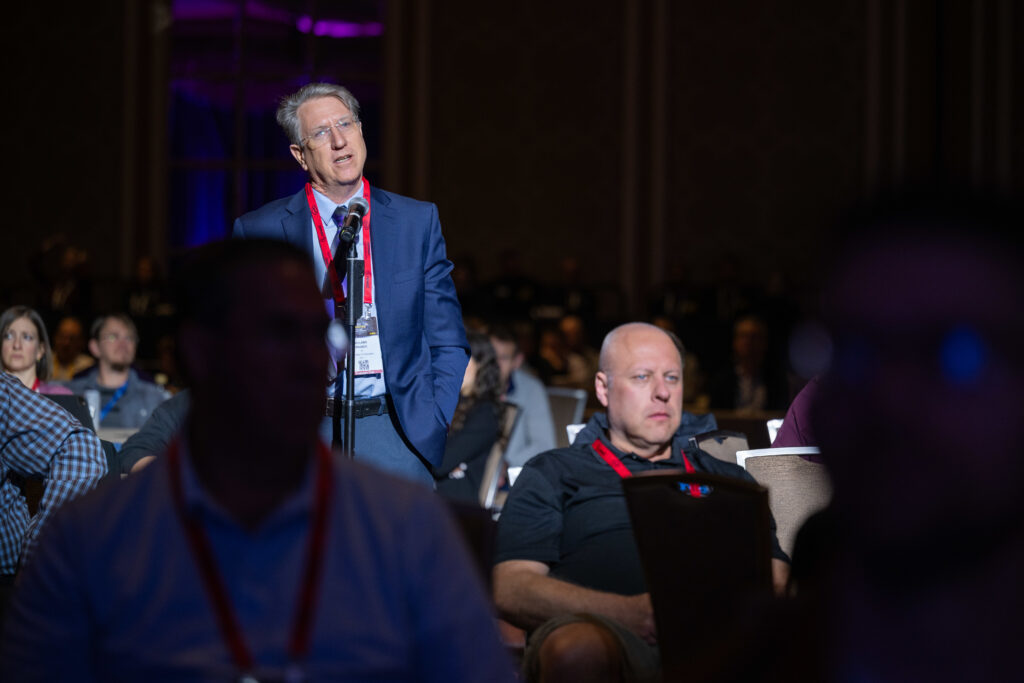
AI is becoming a core capability across MSP platforms—automation and integration will define the next era of service delivery
.
Want help applying secure AI and automation inside your MSP or business?
If you’d like to explore practical AI workflows, automation, and security guardrails, start here:
https://www.impresscomputers.com/hatz-ai/
Roland Parker
Founder, Impress Computers
